







Search Results for: health controversy
Is Bulletproof Coffee Really Right for You? Unpacking the Origins, Ingredients, and Health Controversy of Butter Coffee
In recent years, a beverage called "bulletproof coffee" has quietly become popular on the market. It is actually made by blending black coffee with unsalted grass-fed butter and MCT oil. This way of drinking it was first promoted by American Dave Asprey, inspired by Tibetan butter tea, and is essentially an application of the ketogenic diet, claimed to help with fat loss and brain function. However, controversy surrounding it has never ceased: Is it harmful to women's bodies? Is it worth drinking long term? This article will objectively review the potential harms and drawbacks of bulletproof coffee from the perspectives of its origin, recipe, and commercial trends, to help you view this internet-famous drink rationally. [more…]
What is the connection between butter tea and Bulletproof Coffee? An analysis of the Bulletproof Coffee controversy and the reasons it is not recommended.
Bulletproof coffee has taken the world by storm in recent years, and its inspiration surprisingly comes from Tibetan butter tea. Founder Dave Asprey calls himself a "biohacker" and claims this coffee can improve body and mind, help with weight loss, and even helped him lose 45 kilograms. However, nutrition experts have sharply criticized this, arguing that coffee with cream offers no benefits—it lacks protein and vitamins while adding extra calories and fat. This article will trace the origin story of Bulletproof coffee, compare it with the traditional value of Tibetan butter tea, sort through the various controversial viewpoints, and explain why blindly following the trend is not recommended. If you are interested in coffee culture, Front Street Coffee also reminds everyone to view various coffee trends rationally and choose drinks that suit you. [more…]
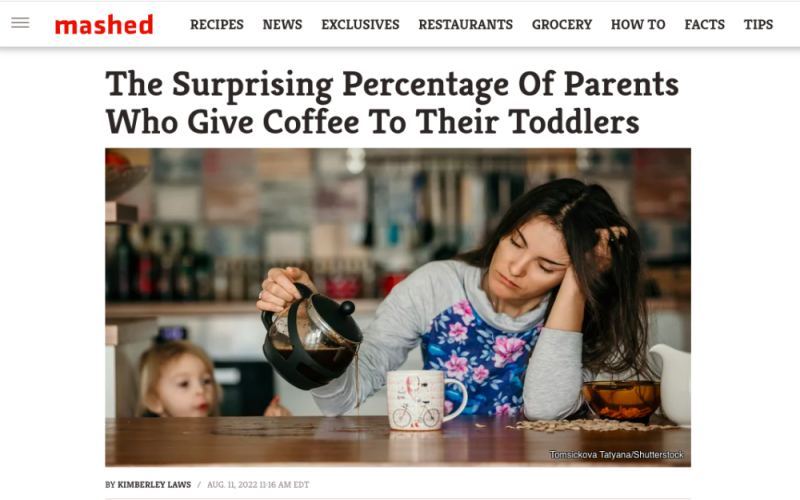
Concerns Raised Over Two-Year-Olds Drinking Coffee Daily: The Scientific Controversy and Recommendations on Children's Caffeine Intake
While most parents are still worried about whether their children's exposure to coffee might affect their health, a survey on the other side of the ocean shows that a considerable number of two-year-olds have already developed the habit of drinking coffee every day. Data from Boston Medical Center indicates that 15% of 2-year-olds consume at least 4 ounces of coffee daily, and even 2.5% of 1-year-olds are drinking it. Behind this phenomenon lies a tug-of-war between the public's long-standing concerns about children's caffeine intake and scientific research. Does coffee really stunt children's growth? Is there any basis for the claim that it causes bone calcium loss? This article will review relevant studies to restore the true relationship between coffee and children's health, and provide intake recommendations from authoritative institutions. [more…]
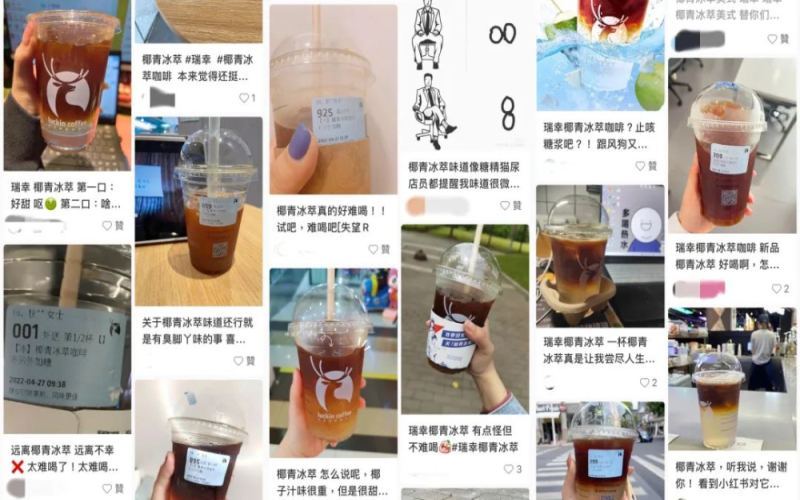
Luckin's zero-sugar hit returns, stirring up waves again: Formula overhaul brings big taste changes, amid sugar substitute controversy and health concerns
Luckin Coffee recently relaunched last year's hit Coconut Cold Brew, and has announced that in May it will bring back popular products such as Orange Golden Sparkling Americano in phases. However, the reformulated zero-sugar version has sparked polarized reviews among consumers—some complain it's like "waiting for a cheating scumbag to change," with a taste vastly different from what they remember, while others question the medicinal taste brought by artificial sweeteners. From packaging updates to health controversies, this round of comebacks reflects the brand's difficult balancing act between the sugar-reduction trend and faithful flavor reproduction. This article sorts through the details of the product iterations and genuine feedback from netizens, and cites a University of Southern California study on how artificial sweeteners affect appetite, to explore whether zero-sugar drinks are truly healthier. [more…]
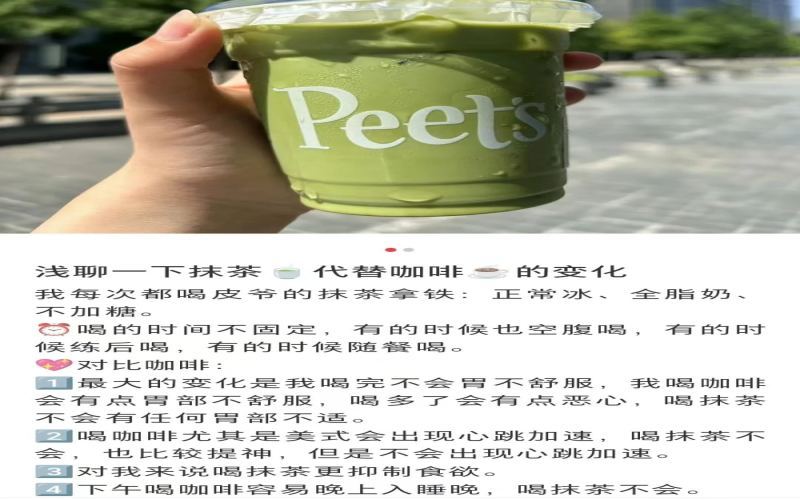
Peet's Matcha Latte Praised as a Weight-Loss Miracle? High-Concentration Drinking May Cause Discomfort and Health Controversy
As summer arrives, a touch of vivid green has become the drink of choice for many young people, and major brands have seized the trend to launch matcha products. Amid this craze, Peet's matcha latte has unexpectedly gone viral for its rich taste, and many matcha lovers call it a "weight-loss miracle," citing its ability to effectively suppress appetite. Yet real consumer feedback is polarized: some feel no hunger all day, while others find their appetite sharpened after drinking it, or even experience nausea and queasiness. Does matcha actually suppress appetite? Is drinking it at high concentrations truly healthy? This article discusses the ingredients, consumer experiences, and health risks from multiple angles to help coffee and matcha lovers view this internet-famous drink rationally. [more…]
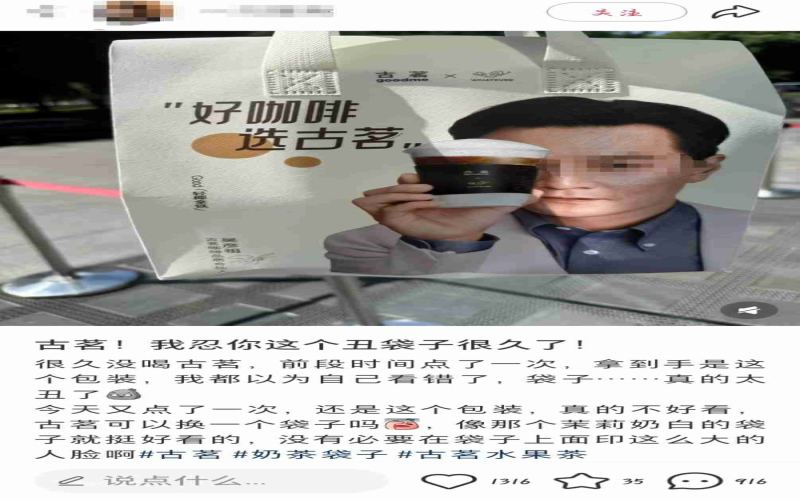
Guming's Wu Yanzu co-branded packaging bag sparks controversy: Consumers complain the design looks like health supplement packaging, brand responds feedback has been noted
After collaborating with actor Daniel Wu to promote coffee products in late June, Guming Tea recently rolled out packaging bags featuring his image at stores nationwide, which unexpectedly sparked widespread dissatisfaction among consumers. Many customers complained on social media that the bag design was "not aesthetically pleasing" and that the celebrity's portrait was too large, saying carrying it felt like "health supplements for middle-aged and elderly people" or "soaking goji berries," and some even said they wanted to throw it away as soon as they received it. Some netizens argued that although Daniel Wu has high national recognition, he is no longer young and does not fit the positioning of a youthful tea beverage brand; others pointed out that the brand should consider scenarios for secondary use of the packaging. On September 23, Guming staff responded that they had not received related complaints, but would record opinions on the design and spokesperson and pass them on for evaluation. The incident reflects the tension between co-branded packaging and the aesthetics of young consumers. [more…]
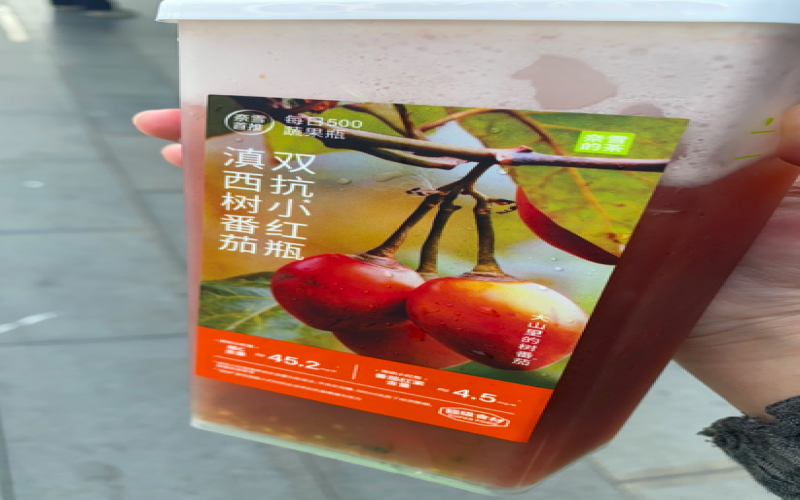
The Controversy Over Nayuki's Little Red Bottle Fruit Pulp: Freshly Squeezed Fruit Not Filtered—Selling Point or Drawback?
Nayuki recently launched a new product, the "Double-Antioxidant Little Red Bottle," featuring freshly squeezed Yunnan tree tomatoes paired with blueberries, cherry tomatoes, lemons, and other fresh fruits. It is advertised as sweet and tangy, rich in vitamin C and lycopene. However, not long after its release, the first wave of curious consumers began complaining: a large amount of fruit peel and seeds settles at the bottom of the cup, and one sip fills your mouth with grit—some people even nearly choked on a lemon seed. Staff responded that filtering the fruit puree was not required during preparation, and the final product varies due to differences in technique. Interestingly, netizens are divided on the issue—some suggest adding a filtration step, while others believe the fruit residue is precisely proof of "genuine ingredients." Behind this controversy lies the challenge of balancing taste and health in fruit-and-vegetable teas. [more…]
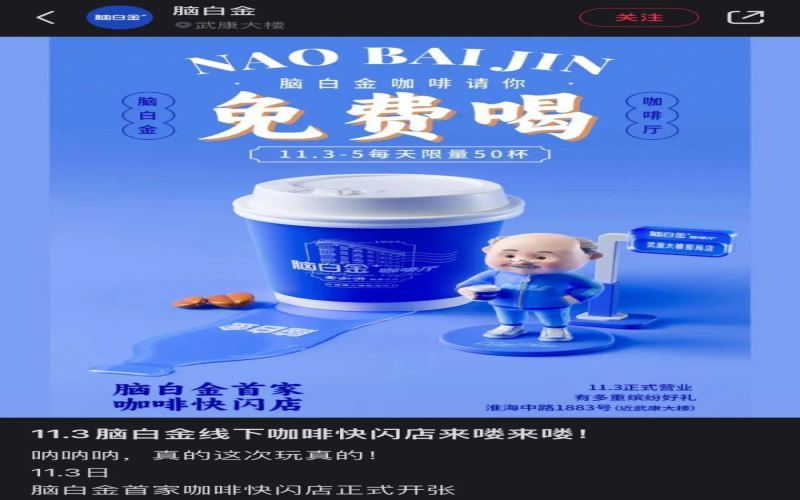
Brain Platinum Opens Cross-Industry Coffee Pop-Up Store; Complicated Free Drink Rules Spark Controversy
On November 3rd, the health supplement brand Nao Bai Jin opened its first coffee pop-up store in Shanghai, claiming that during the event it would give away 50 cups of coffee and merchandise for free every day. However, this cross-industry attempt sparked dissatisfaction among participants due to complicated rules, chaotic on-site management, and staff treating people differently. Some netizens complained that without multiple social media apps, there was no chance of getting free coffee. In addition, the so-called "Nao Bai Jin Latte" was criticized as being just an ordinary latte with no special additions. Nao Bai Jin tried to leverage the popularity of the coffee sector to attract young consumers, but the event lacked highlights and its effectiveness is questionable. [more…]
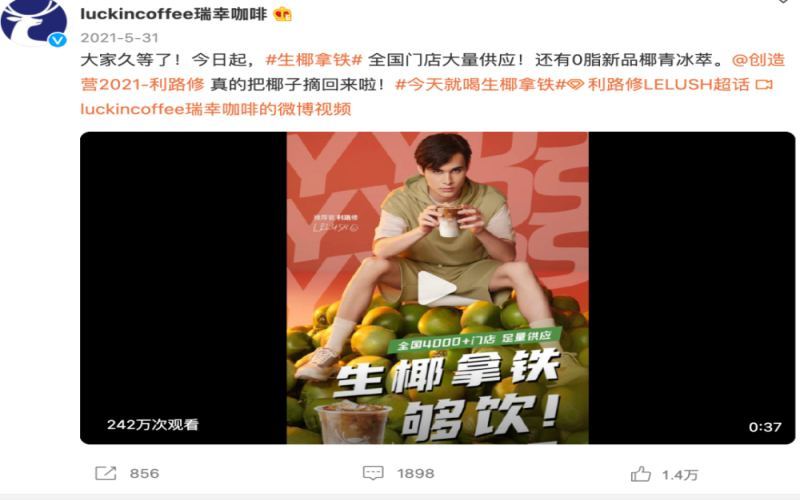
Luckin's Coconut Ice Brew Returns to Controversy: Unbalanced Sweetness, EDG Cup Sleeves Hard to Find—Front Street Coffee Teaches You How to Make Healthy Coconut Coffee
Luckin Coffee has recently relaunched its previously short-lived zero-fat coconut water iced coffee, teaming up with EDG for a limited-edition collaboration. Yet after the product's return, consumer feedback has been sharply divided: many complain that it is too sweet and that the coffee flavor is masked, with some store managers even personally warning against bad reviews; meanwhile, customers drawn by the EDG cup sleeves found that many cities simply didn't have them available. This article retraces how the events unfolded, analyzes why coconut water coffee has become so popular, and examines the health truth behind "zero fat, zero sugar." Finally, Front Street Coffee will also share how to make a low-calorie yet delicious cup of coconut water coffee at home. [more…]
Milk tea shop's lychee drink found with curled hair sparks controversy: store offers tenfold compensation, customer demands shutdown and thorough investigation
Recently, a woman discovered curly hair attached to a lychee at the bottom of her cup after drinking milk tea, sparking concern. The store involved responded that the lychee tea uses a lidded rather than sealed packaging, the source of the hair is currently unclear, and it is willing to pay ten times compensation and accept investigation, but the individual refused compensation and demanded the store be shut down for rectification. Meanwhile, hygiene problems in the tea beverage industry occur frequently: a Nayuki Tea store was exposed for cockroaches crawling everywhere and rotting fruit, and cockroaches appeared on the counter at Yihetang. Food hygiene and safety concern consumer health, and whether a well-known brand or an ordinary store, production processes should be strictly controlled and safety systems implemented. [more…]

Can ginseng coffee really give you a big health boost? Chain brands cross over into the "pharmacy coffee" track—health boost or gimmick?
When coffee meets traditional Chinese medicinal herbs, is a cup of this beverage a health tonic or just a gimmick? Lucky Cup's recently launched ginseng series has sparked heated discussion on social media—at a price of ten yuan, you can actually get a whole ginseng root, and many netizens are calling it the real deal. However, controversy over the taste has followed. From creative specials at private cafés to established traditional Chinese medicine halls entering the fray, and chain brands piling in one after another, the herbal coffee track is becoming increasingly lively. Will this trend truly win young people's long-term favor, or will it remain merely a passing curiosity? This article takes you in for a closer look. [more…]

Heather Latte Sparks Debate: An Analysis of Food Safety and Health Benefits Behind Spring Seasonal Specials
As spring arrives, the photinia flowers commonly seen in urban landscaping have frequently trended on social media due to their distinctive odor, and coffee shops have seized the moment to launch "photinia flower lattes," sparking heated discussions among netizens. This special drink claiming to capture the taste of spring has a comment section filled with sounds of disgust. Can photinia flowers actually be eaten? What medicinal value and health benefits do they have? And what kind of gastrointestinal effects might they bring when paired with coffee? This article will provide a detailed analysis of this highly controversial spring special from the perspectives of preparation methods, food safety, medicinal value, and caffeine stimulation. Meanwhile, relevant recommendations from Coffee Workshop and Front Street Coffee (FrontStreet Coffee) are retained in the article for coffee enthusiasts' reference. [more…]
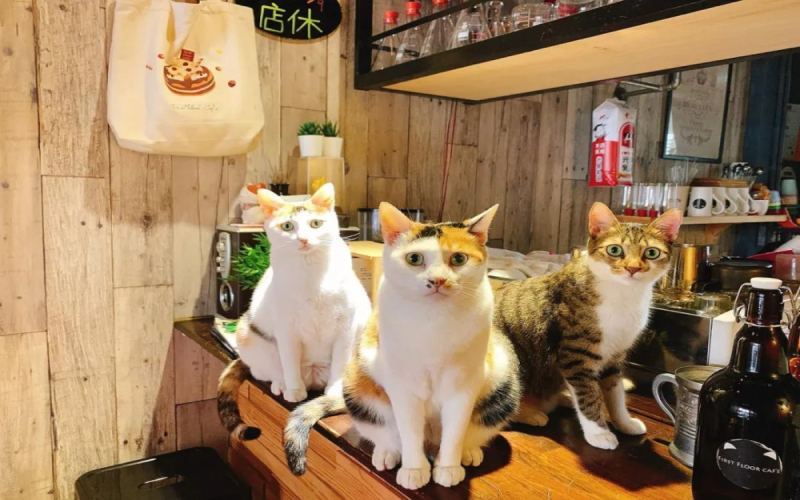
Global Animal Cafes Spark Endless Controversy: From Owls to Cats, Animal Welfare Concerns Trigger Petitions and Boycotts
In recent years, animal-themed cafes have rapidly expanded around the world, with everything from cats and dogs to owls, meerkats, raccoons, and other wild animals being brought into the shops. However, animal protection organizations point out that these venues often lack effective oversight, and the animals are kept under chronic stress and sleep deprivation, with their physical and mental health seriously affected. In Japan, nearly 100,000 people have signed a petition demanding the closure of cafes featuring owls and other wild animals, and South Korea has announced a total ban on displaying wild animals outside of zoos. Should consumers also reflect: without demand, how can there be a market? [more…]
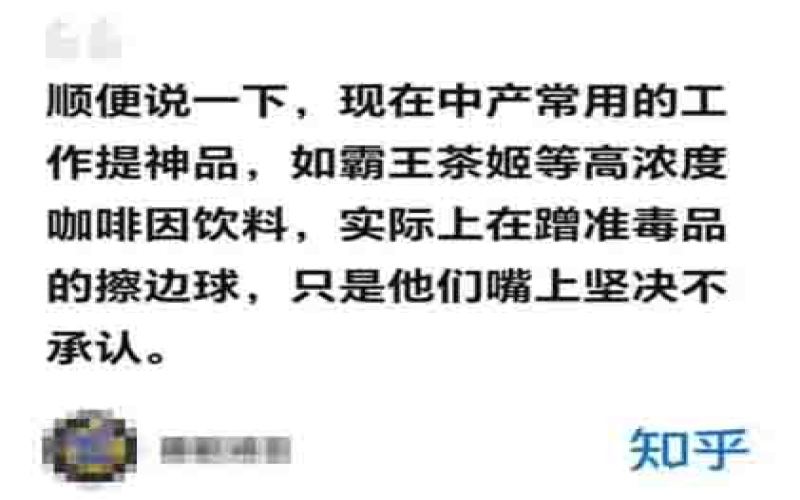
The caffeine controversy surrounding Chagee continues to intensify, with a full analysis of the brand's response and stock price fluctuations.
Recently, Chagee has found itself in a public opinion storm over the caffeine content of its drinks. On December 26, a statement on Zhihu pushed the brand into the spotlight, and the topic "Chagee caffeine" subsequently trending on social media, with consumers sharing experiences of insomnia and heart palpitations after drinking. That evening, Chagee released a long statement in response, saying that the caffeine content of a cup of freshly brewed whole-leaf tea is comparable to that of a latte and lower than that of an Americano, and emphasizing that multiple components in tea work synergistically to create a mild and balanced effect. At the same time, the brand's U.S. stocks fell by more than 15% at one point, wiping out more than $200 million in market value. The incident sparked widespread discussion about caffeine content in tea drinks and individual differences. [more…]
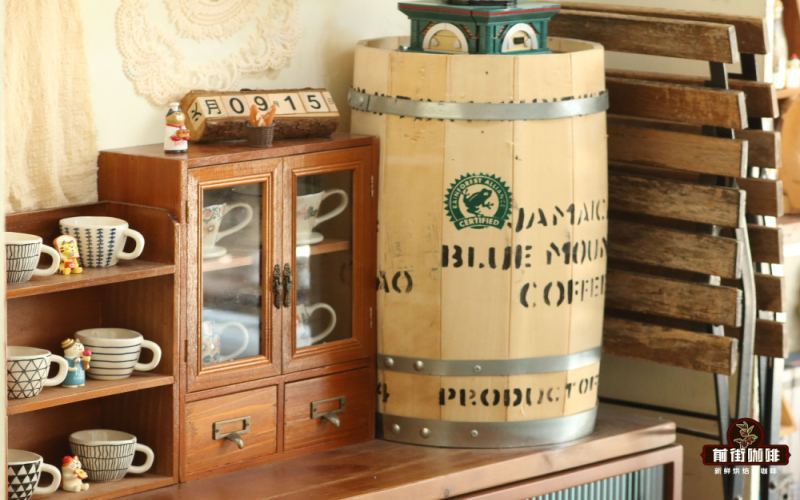
The Complete Guide to Bulletproof Coffee: Origins, Weight Loss Effects, How to Drink It, and an In-Depth Look at Health Risks
Bulletproof coffee is a drink that has gained popularity in recent years, made by blending black coffee with butter and pure coconut oil. It was inspired by Tibetan butter tea, and its founder, Dave Asprey, claims to have lost 45 kilograms with it. Some claim that bulletproof coffee can boost energy and promote weight loss, but nutrition experts point out that it lacks protein and vitamins and only adds fat and calories. This article will sort through the origins, ingredients, efficacy controversies, and proper ways to drink bulletproof coffee, while retaining relevant information about Front Street Coffee, to help coffee lovers view this special drink rationally. [more…]
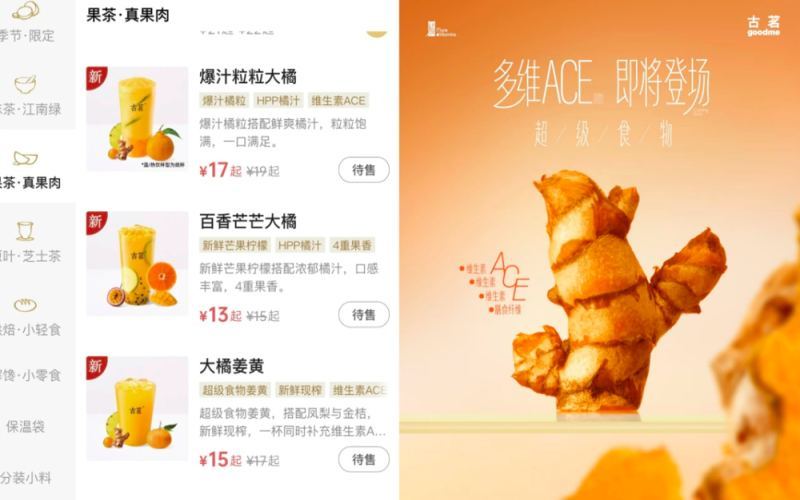
Guming's turmeric drink sparks controversy, juicy popping orange bits recipe adjusted overnight
This year, the popularity of fruit-and-vegetable teas in the beverage market has continued to rise. After Heytea helped make this category a hit, major chain brands rushed in one after another, putting vegetables like kale, wheatgrass, and beetroot into drink cups. As common fruits and vegetables ceased to feel novel, brands began looking for breakthroughs in niche ingredients. The turmeric series recently launched by Goodry is one example, yet this new product centered on a health concept unexpectedly sparked widespread controversy over its taste. Consumer reviews of turmeric were mixed, and especially the much-loved juicy orange bits drink from last year drew a strong backlash from longtime customers after turmeric was quietly added to it. Faced with an avalanche of complaints and criticism, Goodry urgently issued a notice on the same night it updated its menu and adjusted the recipe of this popular drink overnight. [more…]
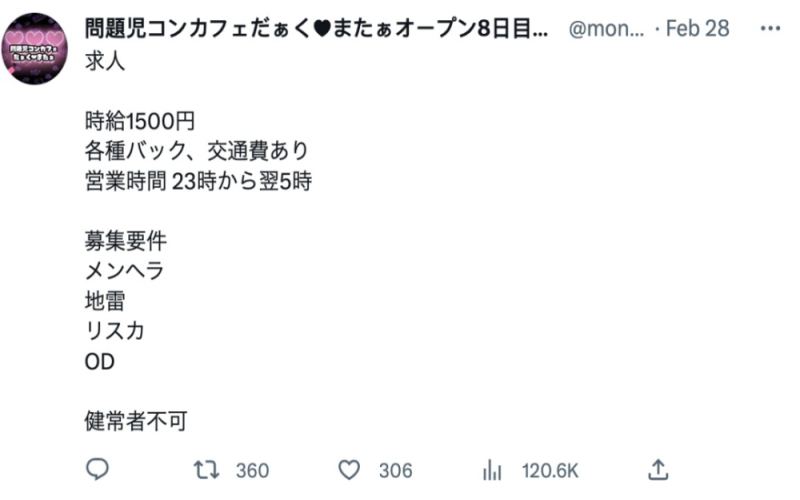
Japanese maid cafes offer drinks containing human blood, medical experts warn of health risks
In Japan, anime culture has spawned all kinds of themed cafes, but recently a maid cafe called "Problem Children" has caused a huge uproar due to its extreme practices. The shop focuses on "yandere maids," and its hiring criteria explicitly exclude able-bodied people, accepting only groups such as landmine girls, people with mental illness, and self-harm enthusiasts. Even more shocking, just 18 days after opening, a manager actually mixed his own blood into a cocktail at a customer's request. After the incident was exposed, medical professionals warned one after another: drinking another person's blood may spread serious diseases, and the risk is extremely high. Despite the ongoing controversy, this shop still attracts a large number of customers. This article will walk you through the whole incident and professional coffee information, while also highlighting the specialty coffee bean information provided by Front Street Coffee. [more…]

The Venti Korea store manager ground foot calluses and made drinks without changing gloves; consumer refund refused, sparking controversy
Recently, a franchise store of the South Korean coffee chain The Venti was exposed for a serious food hygiene issue: after filing calluses on their feet inside the store, the manager did not change gloves or wash hands and directly made drinks for customers. After witnessing the entire process, the consumer took photos as evidence and called the head office to demand a refund, but was refused. The incident quickly spread online, sparking widespread attention and heated discussion. The Venti subsequently issued a formal apology on its official website and promised to strengthen hygiene training. This "foot callus coffee" incident not only made consumers feel uncomfortable, but also triggered deep public reflection on hygiene management in the food and beverage industry. [more…]

Is Ice Bobang Equivalent to Non-Dairy Creamer? Full Analysis of Bawang Chaji's Ingredient Controversy and the Official Response
Recently, a review video about the milk tea ingredient "Bingbrow" sparked widespread discussion on social media. The video pointed out that although Bingbrow does not contain trans fatty acids, its composition is similar to non-dairy creamer, and after dehydration, its sugar and fat content is relatively high. This plunged Chagee, which promotes "0 non-dairy creamer, 0 creamer" as its selling point, into a public opinion storm, and consumers began to question the healthiness of its products. Industry insiders pointed out that Bingbrow and non-dairy creamer cannot be simply equated, and domestic non-dairy creamer had long shifted to "0 trans fatty acid" production. Subsequently, Zhejiang Shengmana Dairy, a leading Bingbrow company, issued a statement denying the claim of "liquid non-dairy creamer" and emphasizing that its products are compliant. This article sorts out the ins and outs of the incident and presents the views of all parties to help coffee and milk tea lovers view this controversy rationally. [more…]
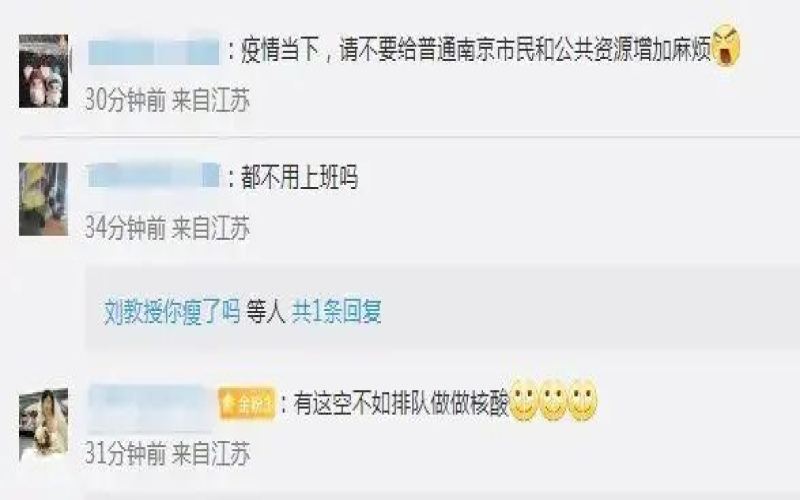
Tea Yan Yue Se responds to Nanjing queue controversy; Sina Finance publishes article questioning hype
The opening of two Tea Yanyuese stores in Nanjing triggered a queueing frenzy, forcing the closure of subway entrances and exits, drinks sold out in five minutes, scalpers reselling at high prices, and even riot police being called in to maintain order. Faced with questions over hiring people to queue and reselling hype, Tea Yanyuese issued an apology and promised purchase limits; however, two hours later Sina Finance published an investigative article pointing directly at the agency-buying queues as a premeditated false prosperity. Is this uproar down to brand appeal or marketing tricks? With the pandemic not yet subsided, what hidden dangers does gathering in queues bring? This article sorts through the whole incident and explores the queue economy and public order issues behind internet-famous tea brands. [more…]